
Cost guide
Cutting pallet costs with regular supply
Ad-hoc ordering feels flexible and quietly costs more. Here is where the money actually goes, and the five changes that bring it back.
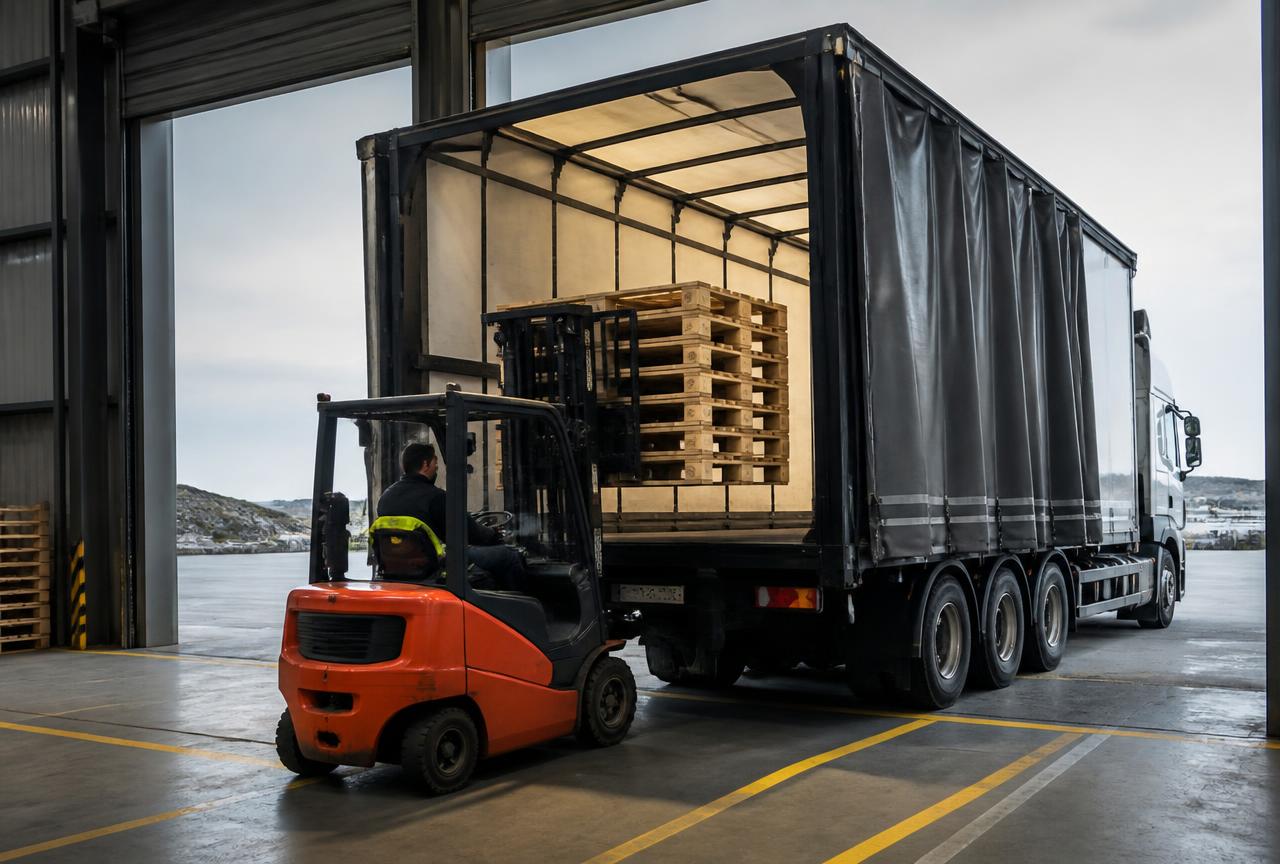
The hidden cost of ordering late
When pallets are ordered the day they run out, you pay for urgency: part-load delivery charges, whatever grade happens to be available, and occasionally a premium pallet doing a basic job. Multiply a few pounds a pallet across a year's volume and the number is rarely small.
1. Move to call-off supply
Agree a specification, a price and a delivery day. Pallets arrive on schedule, deliveries consolidate into full or near-full loads, and nobody spends Friday afternoon chasing stock. Volumes can be indexed up or down with your season.
2. Match the grade to the job
Not every load needs new timber. Splitting your usage into "customer-facing or heavy" and "internal or light" and buying graded used for the second group is the single biggest saving available to most businesses. Our new versus used guide walks through the decision.
3. Combine delivery with collection
If pallets accumulate at your site, a vehicle that drops new stock and takes the surplus away on the same visit costs less than two separate jobs — and where the pallets are reusable, a rebate can offset part of the delivery. See pallet collection and clearance.
4. Standardise your footprint
Two or three footprints in one operation means more stock lines, more part loads and more wasted rack space. Standardising on one main size, with a small buffer of the exception, simplifies buying and improves vehicle fill.
5. Stop replacing repairable pallets
A pallet with one broken board is not scrap. Repaired stock re-enters service at a fraction of new cost, and pallets genuinely beyond repair still have value as boards and chip rather than as a skip charge. That is the point of reconditioning and recycling.
Where to start
Send us twelve months of pallet usage — sizes, grades and rough monthly volumes — and we will come back with a call-off price, a delivery pattern and a collection arrangement. Most businesses find the saving in the mix of grades rather than in haggling over a single pallet price.